Citrus
HIGH-TECH AGRICULTURE
The future of extensive agriculture
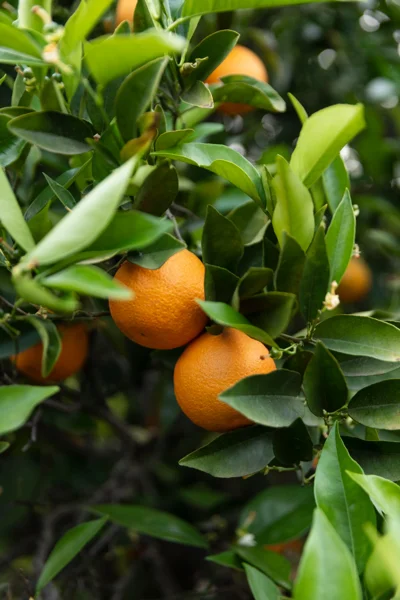
The genus Citrus, commonly known as citrus, includes shrubs or evergreen trees between 5 and 15 meters high, belonging to the Rutaceae family. Its fruits, such as lemon, orange, lime, grapefruit, and mandarin, are characterized by their high content of vitamin C and citric acid, which gives them their acidic flavor. Originally from tropical and subtropical Asia, there are three main species and numerous cultivated hybrids, whose varieties depend on the region where they are produced. Citrus fruits are an important source of vitamins (such as C, folic acid, and A), minerals (especially potassium), and antioxidants.
Fertilization can be done via foliar, applying the fertilizer on the leaves, or through the soil, always avoiding direct contact with the trunk. Its cultivation requires ideal temperatures between 25 and 30 °C. Fertilization is done every six weeks in spring and summer, and every ten weeks in winter, being more necessary during flowering and fruit development.
Inadequate fertilization can cause deficiencies, such as calcium, which reduces the growth and vigor of the plant, or manganese, which generates small fruits, with a thin rind and low sugar content. Nitrogen fertilizers should be applied in a fractionated manner, especially in permeable soils, avoiding their use in winter and excessive watering. It is also advisable to carry out annual foliar analysis. Regarding phosphate fertilizers, their dose must be adjusted according to the needs of the plantation and the assimilation capacity of the soil, to ensure optimal development.