Cereals
HIGH-TECH AGRICULTURE
The future of extensive agriculture
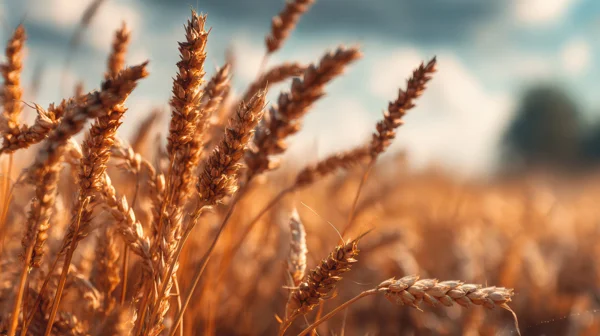
Cereals are crops of the Poaceae or Gramineae family, exploited over large areas for their high carbohydrate content and agro-industrial use. Common examples are wheat, barley, and corn. Their adaptability to various soils and climates has facilitated their cultivation in both developed and developing countries, being key in rural life.
They have an annual cycle and are classified into winter and summer cereals. To achieve good production, it is essential to know their specific needs, the time and method of sowing, and the land conditions, which must be well prepared physically and chemically.
Sowing must be adjusted in depth and distance between seeds according to their size, soil moisture, and climate, to ensure healthy root competition and good light penetration.
The soil must provide nitrogen, phosphorus, and potassium. Fertilization must adapt to the state of the soil and the needs of the crop, especially in key phases such as tillering and stem extension. It is essential to carry out a soil analysis to determine the optimal dose of nutrients, avoiding excesses or deficiencies, following the "law of the minimum". Fertilizers with nitric nitrogen are recommended, avoiding forms that require transformation in the soil to be absorbed by the plant.